The Artistry Underlying the house: Tuscan Leather Craftsmanship Demystified
The house’s founder, Salvatore Ferragamo, forged a reputation on the belief that footwear and leather goods should be engineered, instead of merely being pieced together. This guiding principle, originating in Florence back in 1927, continues to define how a ferragamo bag is cut, stitched and finished in the present day. Appreciating the craft behind the brand helps explain why a salvatore ferragamo bag commands attention among enthusiasts and casual browsers alike. It also clarifies cost, durability and why certain pieces are singled out as the best ferragamo bags on the resale and retail circuits.
Leather selection, tanning method, hardware sourcing and hand-finishing all contribute to what distinguishes an basic accessory from a flagship, legacy-worthy piece. This article walks through each part of that process, weighs construction methods across different product types, and gives a grounded overview of what to look for when browsing a ferragamo shop in 2026.
Where It All Started: Ferragamo’s Craft Ethos
In Bonito, Italy, Salvatore Ferragamo learned shoemaking, before resettling in the United States and in time returning to Florence to establish his workshop. His initial fixation was fitting the human form precisely, which drove him to study materials as rigorously as construction. That same rigor migrated into leather goods once the house broadened past footwear in the mid-20th century.
Florence itself matters here. The city sits at the center of Tuscany’s tanning industry, an area with generations of refined know-how in both vegetable and chrome tanning methods. Ferragamo draws much of its hide supply from tanneries within this region, which keeps transport time short and allows tighter oversight between tannery and workshop. Being nearby isn’t luxury purse just a promotional talking point; it’s a manufacturing edge that reduces handling damage and preserves hide consistency.
This localized density of expertise also explains why so many Italian luxury houses, including Ferragamo, run their studios within a tight radius of Florence and its surrounding provinces. The ecosystem — tanneries, hardware foundries, skilled artisans — exists in one place, and that clustering is one reason why “Italian leather” means something substantive rather than just marketing language.
How Ferragamo Leather Is Selected and Tanned
Not all hides make the cut for a finished bag. Tanneries grade skins for density, tightness of grain and surface flaws before they’re cleared for use. Ferragamo’s leather goods usually feature full-grain or top-grain calfskin, along with exotic options such as python or crocodile for select limited runs, though availability varies by season and collection.
Tanning itself takes one of two main routes: vegetable tanning, which relies on tree bark and plant extracts and can require several weeks, or the chrome-tanning method, which is faster and produces a softer, more pliable finish.
Following the tanning stage, hides undergo dyeing, buffing and occasionally embossing before they even arrive at a cutting table. Any inconsistency at this stage — an uneven dye lot, a hide that’s overly thin at the shoulder — causes the skin turned away. As a result production output for particular bag lines stay limited; the raw material simply doesn’t always meet the bar.
The Way a Ferragamo Bag Is Defined by Craft Methods
The cutting process, once the leather has been approved and reaches the workshop, is performed with close attention to the hide’s inherent grain direction — panels cut against the grain stretch and age unevenly compared with those cut along it. Experienced cutters map each pattern piece to avoid scars, stretch marks or thin zones near the hide’s edges.
Stitching on a ferragamo bag generally combines machine work for structural seams with hand-finishing on edges, handles and closures. Edge painting — laying on multiple thin coats of lacquer to a leather edge and burnishing between coats — is a detail that merits close inspection, since a clean, glossy edge with no cracking tends to indicate careful finishing standards.
The hardware components is another differentiator. The zippers, clasps, and the brand’s signature Gancini hardware are typically produced in brass or zinc alloy, then plated in gold-tone or palladium finishes. Plating quality affects how well hardware resists tarnishing over years of use, and it’s frequently the first thing that separates a carefully kept bag from one that shows its age prematurely.
Just as much as external appearance, interior construction matters. Reinforced corners, structured bases and canvas or leather lining all play a part in how a bag holds its shape after months of everyday wear. A properly constructed ferragamo bag ought to maintain its shape even when only partly loaded, which is a useful way to assess structural quality in person.
Contrasting Ferragamo Bag Types
The brand’s leather goods span several structural categories, each suited to different use cases and price points. The table below presents a general comparison to help frame expectations when shopping a ferragamo shop, whether in person or online.
| Style Type | Typical Leather | Form | Great Use Case |
|---|---|---|---|
| Handle-top bags | Calfskin treated using vegetable tanning methods | A boxy profile that keeps its structure | Office wear, formal occasions |
| Shoulder bags | Chrome-tanned calfskin | A loose, soft hang | Daily errands, casual outings |
| Bags worn across the body | Combined tanning, often with canvas trim | A moderately structured, compact build | Travel, hands-free days |
| Clutches and dressy bags | Rare or embossed leathers | Scant internal support | Nighttime attire and special events |
This breakdown isn’t exhaustive, but it gives a working framework. Anyone compiling their own ferragamo bags overview should start by asking how a bag will actually be used before comparing leather type or hardware finish, since fit-for-purpose matters more than category prestige.
The Traits That Make the Most Coveted Ferragamo Bags Stand Out
Among collectors and long-time shoppers, a consensus tends to form around which pieces qualify as the best ferragamo bags — and it usually comes down to a combination of construction quality, hardware durability and design longevity rather than trend cycles. Bags built on the house’s classic Gancini hardware tend to hold resale value better than seasonal designs tied to a single collection.
The tightness of the stitching is a practical marker you should learn to recognize. Denser, more uniform stitching around high-strain areas — where the handles attach, zipper tracks, corner seams — points to a bag built for years of use as opposed to lasting only one season. Sloppy or inconsistent stitching, even if the bag otherwise looks appealing, typically foreshadows premature wearing down at those same stress points.
How thick the leather is also plays a role, especially on structured silhouettes. A top-ranked ferragamo bags list assembled by most style editors will generally lean toward items crafted from thicker, full-grain hide over thinner corrected-grain alternatives, since the correlation between thickness and resistance to creasing and sagging over time is direct.
In the end, what distinguishes a well-crafted piece from one made using leftover hides that don’t match is uniformity across a single bag’s panels — matching grain texture and a uniform dye batch. This is something that merits scrutiny in well-lit conditions before committing to any buy, regardless of whether it’s new or secondhand.
Clever Purchasing Habits in the Salvatore Ferragamo World
No matter if browsing under salvatore bag, ferregamo, or the full salvatore ferragamo bags range, variant spellings ought not to pull focus from the foundational factors already reviewed: leather quality tier, tanning method, hardware quality as well as stitching uniformity. Set against passing fads, these four criteria weigh more heavily in establishing lasting worth.
Buying through an authorized ferragamo shop or the brand’s official channels remains the safest way to guarantee authenticity and post-purchase support, including repairs and hardware servicing. Secondary markets can offer value, but verifying leather type, stitching and hardware plating in person or through detailed photos is essential before committing to a purchase.
Pricing spreads fluctuate noticeably depending on type, materials used, and whether a piece is limited-edition, so it’s sensible to make a habit of comparing a range of listings within the same style before assuming that cost is a stand-in for quality on its own.
The leather itself can carry no more weight than a well-documented provenance — original receipt, dust bag, authenticity card — when it comes to resale.
Care routines significantly stretch out a bag’s lifespan significantly.
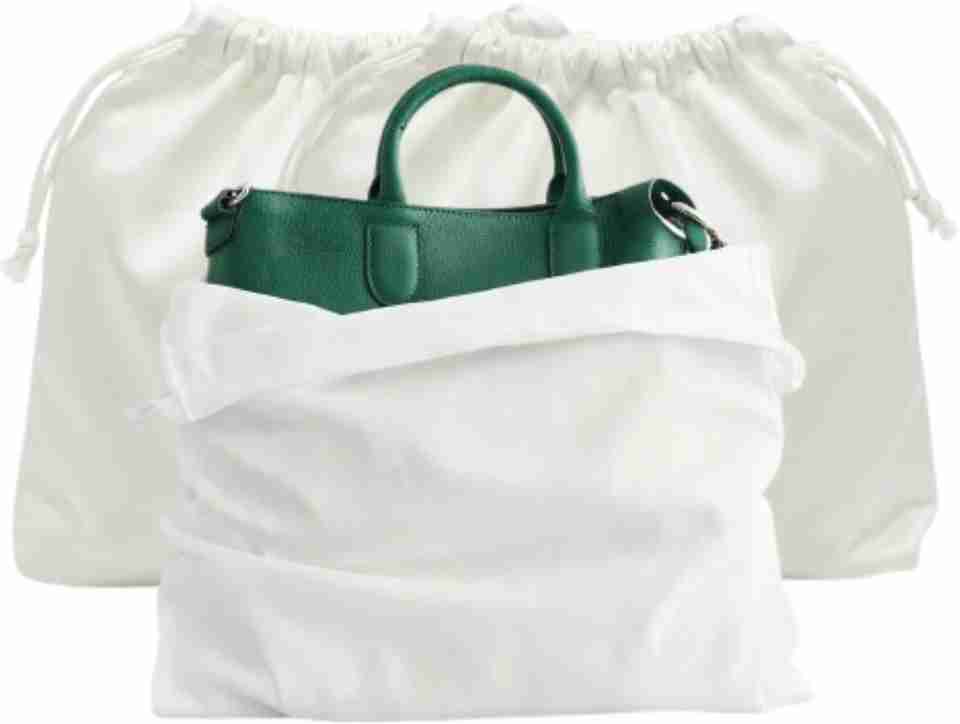
Regularly conditioning the leather, keeping it out of prolonged sun, and storing bags upright inside their dust bags all go a long way toward preserving both shape and surface finish.
No matter the category, a carefully tended piece will generally hold up better than a poorly cared-for one, even if that one started out with higher original quality.
At the end of the day, the craft skill behind Ferragamo’s leather goods is a product of generations of refined technique grounded in Florence’s leather-tanning tradition.
Knowing what to look for — from hide selection to edge finishing — converts a simple purchase into an knowledgeable choice, and makes it easier to identify pieces that are genuinely well-crafted the next time you’re sizing up choices across a ferragamo shop or appraising a piece already in your collection.
Leave a Reply